Make retirement more social when getting around takes planning
Check the full trip and on-site access for one social activity, then arrange a second way to join when the usual route falls through.

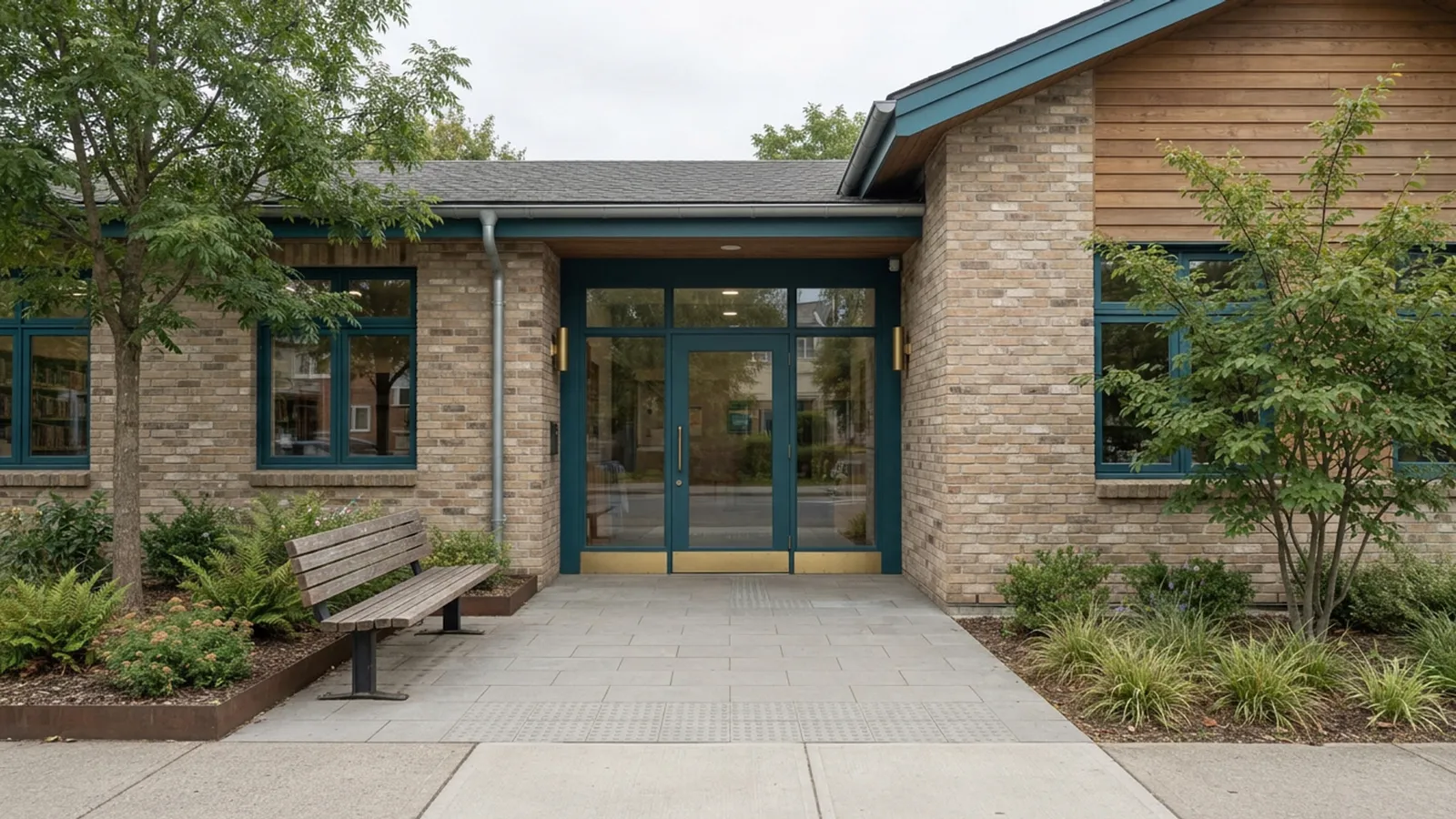
A group you enjoy can be hard to get to regularly. Check the journey there and back, what happens at the entrance, and which alternatives you can use if the usual plan falls through. Plan around one activity you’d like to attend again.
Check the trip from your door through the return home
Put the event’s start and finish times beside the travel options. Include the walk or roll to the pickup point, the wait, and the return trip. If you need a step-free entrance, room for a mobility device, or a place to sit while you wait, ask the provider and the venue what they can confirm. Check whether a volunteer driver, a ride service, or public transportation needs advance booking. Ask about cost and any conditions that determine whether you can use the service.
The U.S. Administration for Community Living points to its Eldercare Locator for local resources, including transportation. Its transportation page also lists the Disability Information and Access Line (U.S. Administration for Community Living, checked November 21, 2026). When you contact a local service, give it the origin and destination, the usual times, and the access features you need. Ask what it can offer for the return as well as the outward trip.
Set up a backup you can use
| Question | Write down the answer before the first visit |
|---|---|
| How do I get there and back? | Pickup points, travel times, cost, and any booking or return deadline |
| What do I need at the venue? | Entrance, distance from drop-off, and any seating or other access arrangements |
| What if the ride or route changes? | A second workable ride, a remote way to take part if offered, or another session |
| When do I switch to the backup? | The time to call or change plans and whom to tell |
Check the backup before you need it. If a group sometimes offers a remote option, find out how to get the invitation and when you’d need to ask. If you’ll rely on a friend, ask which days work for them and what happens if either of you cancels. Keep the organizer’s contact handy so you can update them without giving more personal information than you want to share.
Check what the journey asks of you in bad weather or after dark. If the stop has nowhere to wait comfortably, ask whether there’s a nearby sheltered pickup point.
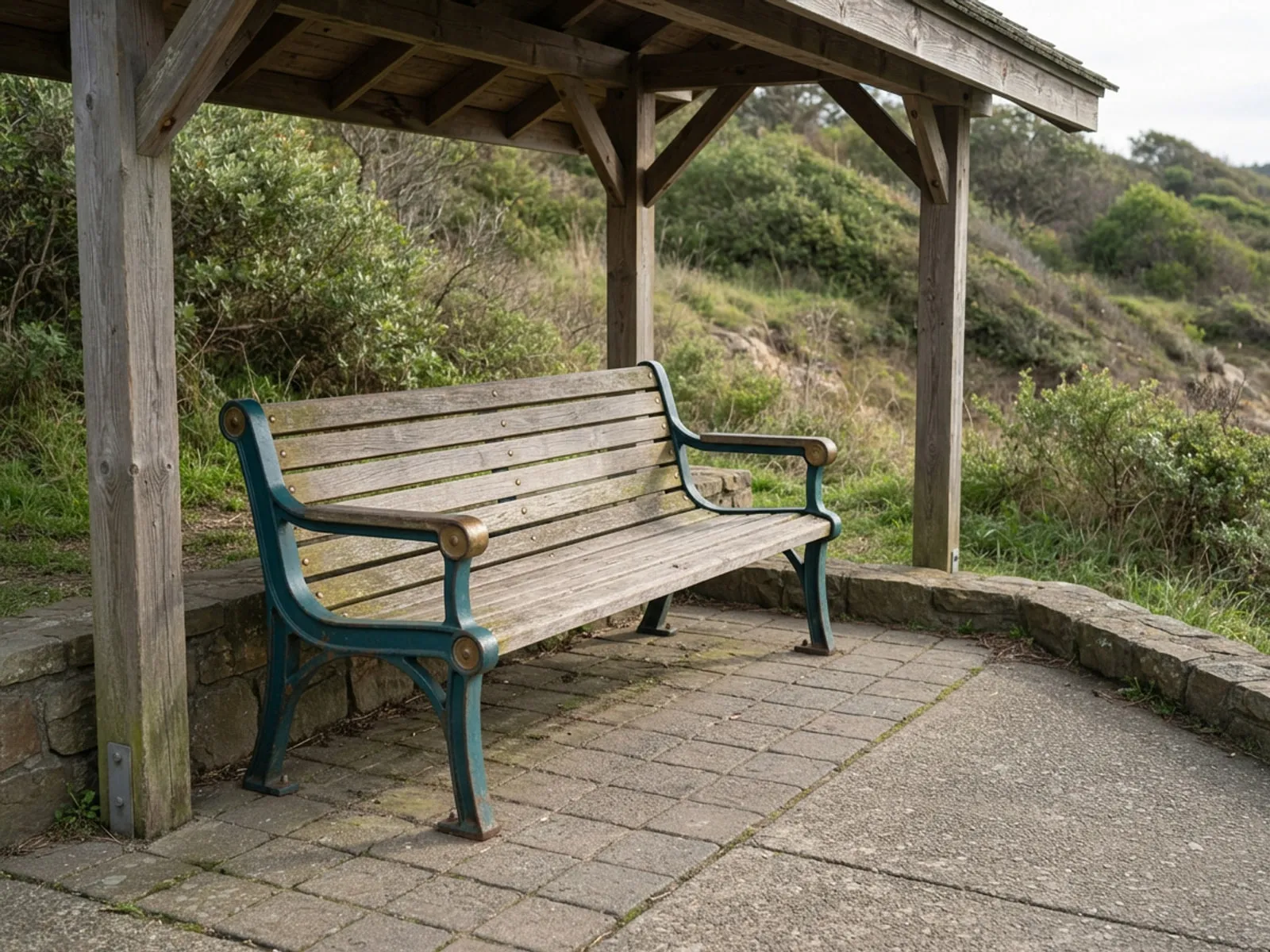
Illustrative example — Getting to a library discussion group
Suppose a library group meets twice a month. A bus runs past the library, but the return bus leaves shortly before the group usually ends. An aging-services contact suggests a local ride provider. Check its booking requirements and whether it can pick you up near the accessible entrance after the meeting. Ask about the cost and what would happen if the group ran late.
The organizer says there’s also a call-in option if requested ahead of time. Put the ride booking date and the deadline for requesting the call-in details on your calendar. Try the trip once, then note where you waited and how long each leg took. If the return ride takes longer than you expected, ask whether a different pickup time would work before booking the next visit.
Common questions
What if the only reliable trip runs on a different day?
Ask whether the group meets at another time or has a related session. Use the schedule you can count on when you decide how often to take part.
What if I don’t know what to ask about access?
Describe the part of the trip that’s hard for you, such as the distance from the stop to the door. Ask the organizer or provider to describe that part before you decide.
Sources
- U.S. Administration for Community Living. Find Services. Checked November 21, 2026.