Stay physically active in retirement with a plan you can keep
Build a small movement plan around your abilities, schedule, and budget, then review what you can repeat comfortably.


Once work stops setting the day’s timetable, give movement a place in the week that you can keep. Start with activities you can do comfortably and occasions you can repeat. A short session that fits a busy day gives you something to build on when you’re ready.
Choose a starting week you can repeat
Look at the week you already have, including appointments, caregiving, and time you want free. Choose one or two real openings. Note what you’d do, where, for how long, and what it would cost. If it requires a trip, allow for getting there and home. You can start near home or indoors if transport, weather, or fees would interfere.
The CDC describes aerobic, muscle-strengthening, and balance activities in its general guidance for adults 65 and older. It also says to be as active as your abilities and conditions allow if you have trouble meeting the recommendations (Centers for Disease Control and Prevention, checked November 21, 2026). Use the guidance to see the range of activities a longer-term plan might include. If a condition, injury, disability, or concern about falling affects what you can do, ask a health care provider what is appropriate for you before starting something unfamiliar or increasing the effort.
Make another version for an ordinary disruption
| What to jot down | What it helps you check |
|---|---|
| Activity, day, and location | Whether it can fit around an actual commitment |
| Starting length or effort | What you can do comfortably and repeat |
| Cost of a typical week | Fees, transport, equipment, or any commitment to pay |
| Alternative | What you’d do if weather, transport, or schedule changes |
| Review date | When you’ll check what worked and what to adjust |
The CDC suggests choosing activities, places, and times you enjoy, and starting slowly. It advises people concerned about injury or with trouble moving to ask a health professional about suitable activities (Centers for Disease Control and Prevention, checked November 21, 2026). At your review, ask which sessions happened and what got in the way. Change the timing, location, or activity if one of those would make the plan easier. If you want to increase effort and have a health question, take your starting plan to your provider.
If you’d rather move with someone, ask them which time they can reliably make. Keep an alternative you can do independently if plans change.
Illustrative example — A walk attached to a regular errand
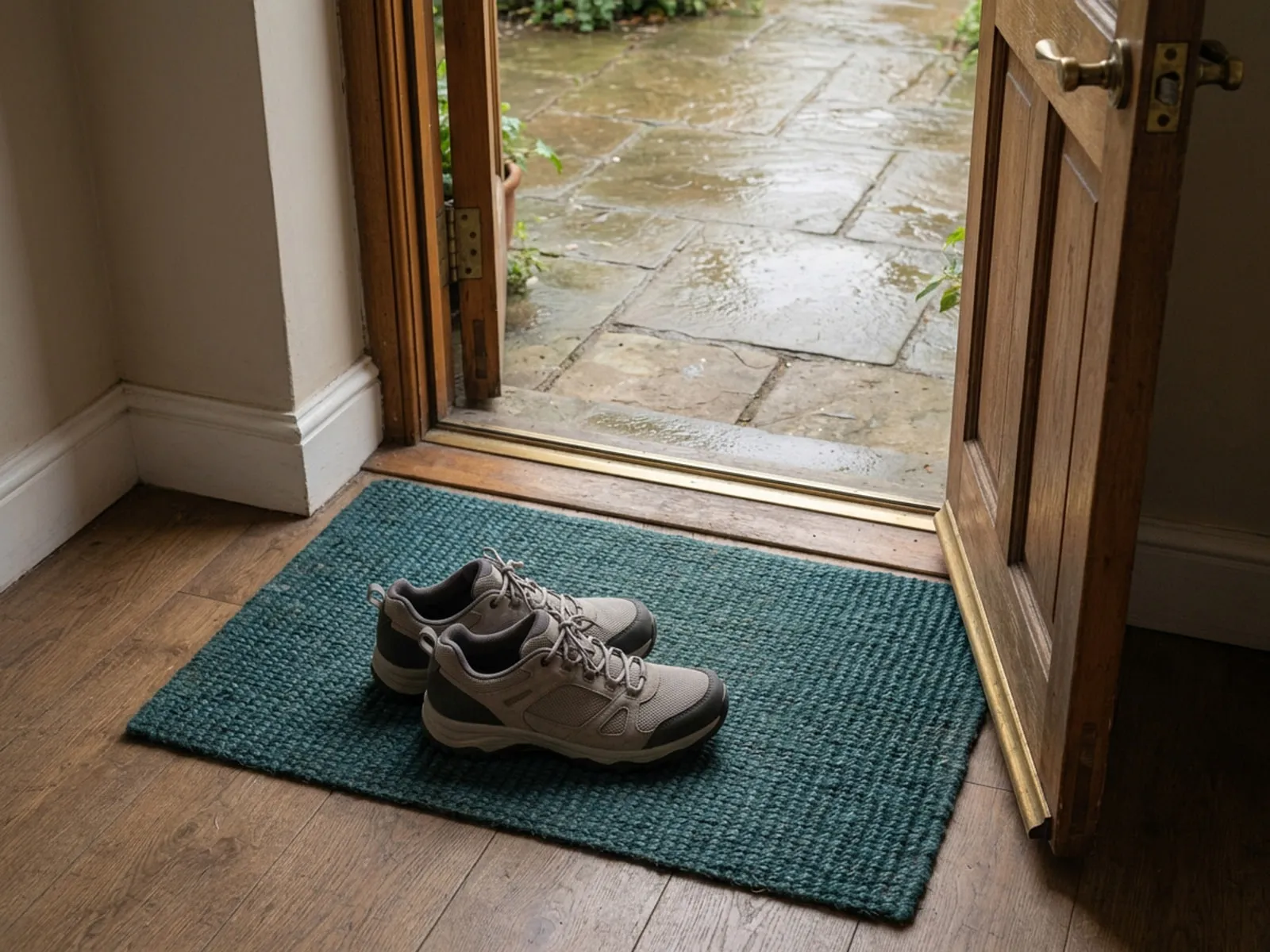
Suppose you already walk comfortably for short periods. You want to move more often without committing to a gym membership. You put two short walks in your week. One follows your Tuesday library trip and the other starts from home on Friday. Your alternative for wet weather is a short indoor walk at a nearby public building you can get to easily. These are calendar entries for this example. Choose length and effort that suit your own circumstances.
After two weeks, suppose the Friday slot keeps colliding with an appointment. Move it to a quieter day and keep the walks about the same length while you see whether the new timing works. If the route is the problem, try a shorter or more accessible one. The review helps you decide what needs to change before you add anything.
Common questions
What if I miss a session?
Look at what blocked that particular session. Use the next planned opening or your alternative. You can also make the next starting version smaller or easier to reach.
Do I need to pay for a class or equipment?
Compare what you can do safely and comfortably at home, outdoors, or in a community space with the paid options you’re considering. If you want instruction or adaptation for a personal limitation, ask a health care provider what support to look for.
Sources
- Centers for Disease Control and Prevention. Older Adult Activity: An Overview. Checked November 21, 2026.
- Centers for Disease Control and Prevention. Moving Matters for Older Adults. Checked November 21, 2026.